


Free lesson
What is Blockchain?
Step 1 of 7
What is Blockchain?
Blockchain is a decentralized database that records transactions and is one of the fundamental technologies in the world of cryptocurrencies. The core of blockchain is a chain of blocks, where each block is a digital record of transactions. The key feature of this technology is that it is not stored on just one server or computer but on numerous computers, called nodes, around the world. This ensures a high level of security and transparency, as any attempt to alter a block is immediately detected and rejected by the network.
How Does It Work?
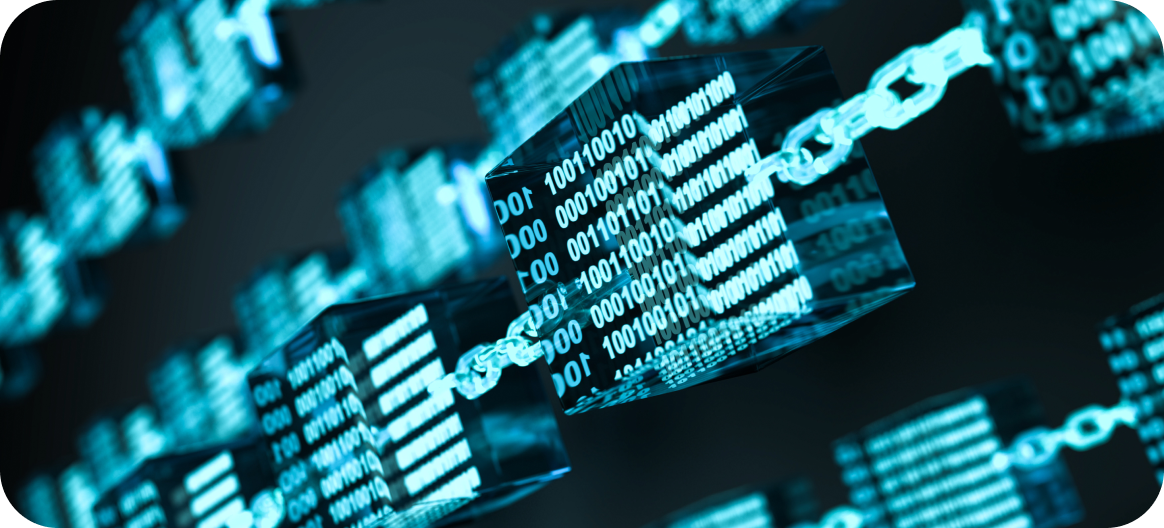
When a user wants to make a transaction, such as sending cryptocurrency to another person, the request is sent to the network of nodes. These nodes verify the transaction and confirm its validity. The confirmed transaction is then combined with others into a block. Each block contains a unique code called a hash that distinguishes it from other blocks. The hash of each block is linked to the hash of the previous block, creating an immutable chain of blocks.
Why is Blockchain Important?
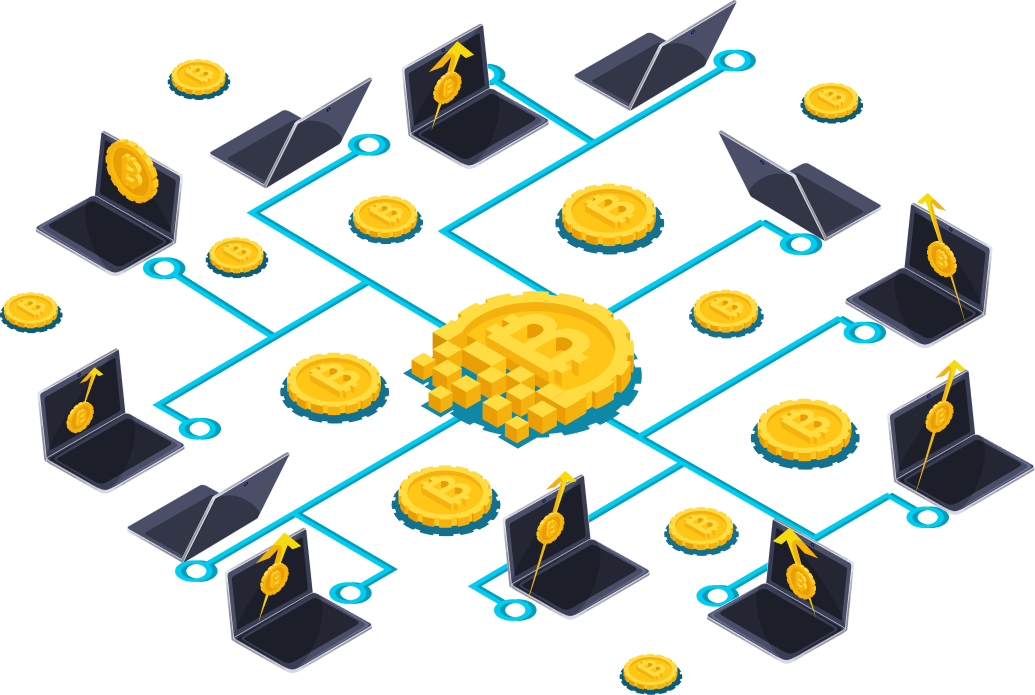
Blockchain is a revolutionary technology because it enables decentralized storage and transfer of data without the need for intermediaries, such as banks or governments. This means that individuals can conduct transactions directly with each other, reducing costs and transaction time while increasing security.
Uses of Blockchain:
CRYPTOCURRENCIES:
Bitcoin and Ethereum are the most well-known examples, where blockchain provides a secure and transparent environment for transactions.
SMART CONTRACTS:
Ethereum enables the execution of automatic contracts that are carried out when certain conditions are met.
SUPPLY CHAINS:
Blockchain can track products from production to the end consumer, increasing transparency and trust.
HEALTHCARE:
It allows for the secure storage of patient data, facilitating access to medical information.
Blockchain is an innovative technology with the potential to transform numerous industries by providing a secure and transparent way to track and verify transactions. Each block contains a unique code that allows it to link to the previous block, making the blockchain tamper-proof. By using a decentralized network, it ensures security, reliability, and trust, which are crucial for the future of digital transactions.
Quick check
What is blockchain?
Quick check
What is the role of nodes in blockchain?
Quick check
What ensures the secure connection between blocks in a blockchain?
🎉
Lesson complete!
0 / 3
That's the first chapter. Continue this course — and unlock the rest — in the CryptoUnity app.